

Projects
Finished
RURAL ROAD CASTING
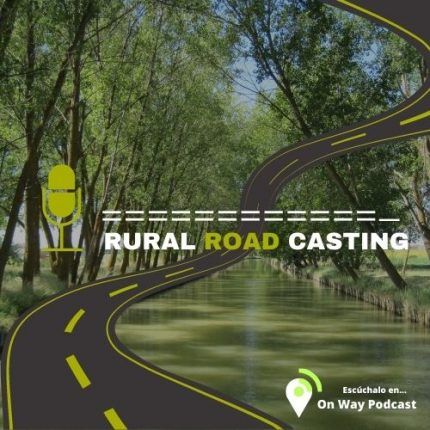
Rural Road Casting. Information tool for tourist activity through podcasts in Red De Rutas Rurales.
- Work AreaCulture, Heritage and Tourism Digital Transition Regional Development and International Cooperation
- Call2021
From 15/4/2021 to 31/3/2022 (12 months)
Cordinator
AEICE Clúster de Hábitat Eficiente
- Spain
The Rural Road Casting project is proposed within the "Heritage, Tourism and Language" working group of the AEICE cluster and develops a technology-based tool with a dual objective: to contribute to improving the management model of rural tourist destinations (destination intelligence) and to incorporate the use of heritage resources (landscape and ethnography) as tools for the active promotion of the values of the tourist destination.
Improve the tourism management model in rural destinations. In the context of the region of Castilla y León, a leading rural territory in inland tourism, the competitive improvement of the tourism model in rural territories and research into the intelligence of tourist destinations as an essential factor in the development of tourism in rural destinations is an essential factor in the development of tourism in the region.
destinations as an essential factor for innovation in the sector, are strategic objectives.
Improving the travel experience requires technology-based tools that contribute to the development of management models in which the user participates in a comfortable and simple way (frictional). This is a basic aspect both to build customer loyalty and to adapt our tourism offer to their needs.
Castilla y León possesses endogenous resources of immense potential to make the region an international tourist reference. The cultural, historical and natural heritage, including language, landscape and food and wine, are undoubted assets; but the enormous competition and the constant evolution of the tourism sector make it necessary to innovate in order to improve the quality of the region's tourism.
The definition of "Smart Tourism Destination" (ITD) recognises technology as an essential feature of the model together with efficiency and sustainable development: "...an innovative tourist space, consolidated on a state-of-the-art technological infrastructure that guarantees the sustainable development of the territory, facilitates the interaction and integration of the visitor with the environment and increases the quality of their experience in the destination and the quality of life of the residents". ITDs are linked to the increase of their tourism competitiveness and to the
It is mandatory that it has a universal character, covering all people regardless of their abilities.
The RURAL ROAD CASTING project pursues the achievement of three general objectives:
● Innovation in the dissemination of tourist information on routes in rural environments.
● Increasing user satisfaction in the tourist experience thanks to the use of ICT tools.
● Geolocation of users on the tourist routes through the tool, which will allow us visibility of the flow and optimisation in the design of the routes.
Connectivity in the RURAL ROAD CASTING project is based on the creation of specific podcasts for tourists, so that they can listen to the story and description of the landscapes and the most paradigmatic elements (complementary routes and POIs of the routes).
Currently, the possibilities offered by mobile phone-automobile connectivity are a basic circumstance to enhance and take advantage of the development of the Rural Road Casting product. This technology will make it possible to listen to the podcasts through the vehicle's sound reproduction system and use the mobile phone's geopositioning information, so that warnings and/or podcasts are triggered according to the tourist's preferences.
Rural Road Casting is an innovative tool for promoting the heritage resources of rural tourist destinations, where the landscape and the identity of local communities are features of identity. These elements become tools for the active promotion of the destination through a new service (the Rural Road Casting podcast) that enhances the travel experience in a simple way.
The roads become elements of perception of the landscape and cultural heritage in the rural environment, they are the discourse/driving axle of the journey, of the story to link all the POIs (Points of Interest: landscape, natural, cultural, historical, artistic heritage, etc.) while driving along a road from which places with a high landscape and heritage value are visualised.
Local communities in rural areas treasure a precise and precious knowledge of their territory which is at serious risk of disappearing as a consequence of the ageing and depopulation process from which these areas suffer. Rural Road Casting incorporates this value through podcasts recorded by the inhabitants of these destinations, as a way of updating the oral tradition characteristic of rural areas.
The Rural Road Casting project is aligned with two of the seventeen millennium goals 9 and 11.
9. The Rural Road Casting project develops an innovation action in the tourism sector. Innovation and technological progress are key to discovering lasting solutions to economic and environmental challenges, such as increasing energy and resource efficiency.
11. Although the world's population is concentrated in cities, positive economic, social and environmental linkages between urban, peri-urban and rural areas need to be supported by strengthening national and regional development planning. The promotion of a sustainable tourism model is a crucial aspect of promoting an equitable relationship between urban and rural communities.
Improve the tourism management model in rural destinations. In the context of the region of Castilla y León, a leading rural territory in inland tourism, the competitive improvement of the tourism model in rural territories and research into the intelligence of tourist destinations as an essential factor in the development of tourism in rural destinations is an essential factor in the development of tourism in the region.
destinations as an essential factor for innovation in the sector, are strategic objectives.
Improving the travel experience requires technology-based tools that contribute to the development of management models in which the user participates in a comfortable and simple way (frictional). This is a basic aspect both to build customer loyalty and to adapt our tourism offer to their needs.
Castilla y León possesses endogenous resources of immense potential to make the region an international tourist reference. The cultural, historical and natural heritage, including language, landscape and food and wine, are undoubted assets; but the enormous competition and the constant evolution of the tourism sector make it necessary to innovate in order to improve the quality of the region's tourism.
The definition of "Smart Tourism Destination" (ITD) recognises technology as an essential feature of the model together with efficiency and sustainable development: "...an innovative tourist space, consolidated on a state-of-the-art technological infrastructure that guarantees the sustainable development of the territory, facilitates the interaction and integration of the visitor with the environment and increases the quality of their experience in the destination and the quality of life of the residents". ITDs are linked to the increase of their tourism competitiveness and to the
It is mandatory that it has a universal character, covering all people regardless of their abilities.
The RURAL ROAD CASTING project pursues the achievement of three general objectives:
● Innovation in the dissemination of tourist information on routes in rural environments.
● Increasing user satisfaction in the tourist experience thanks to the use of ICT tools.
● Geolocation of users on the tourist routes through the tool, which will allow us visibility of the flow and optimisation in the design of the routes.
Connectivity in the RURAL ROAD CASTING project is based on the creation of specific podcasts for tourists, so that they can listen to the story and description of the landscapes and the most paradigmatic elements (complementary routes and POIs of the routes).
Currently, the possibilities offered by mobile phone-automobile connectivity are a basic circumstance to enhance and take advantage of the development of the Rural Road Casting product. This technology will make it possible to listen to the podcasts through the vehicle's sound reproduction system and use the mobile phone's geopositioning information, so that warnings and/or podcasts are triggered according to the tourist's preferences.
Rural Road Casting is an innovative tool for promoting the heritage resources of rural tourist destinations, where the landscape and the identity of local communities are features of identity. These elements become tools for the active promotion of the destination through a new service (the Rural Road Casting podcast) that enhances the travel experience in a simple way.
The roads become elements of perception of the landscape and cultural heritage in the rural environment, they are the discourse/driving axle of the journey, of the story to link all the POIs (Points of Interest: landscape, natural, cultural, historical, artistic heritage, etc.) while driving along a road from which places with a high landscape and heritage value are visualised.
Local communities in rural areas treasure a precise and precious knowledge of their territory which is at serious risk of disappearing as a consequence of the ageing and depopulation process from which these areas suffer. Rural Road Casting incorporates this value through podcasts recorded by the inhabitants of these destinations, as a way of updating the oral tradition characteristic of rural areas.
The Rural Road Casting project is aligned with two of the seventeen millennium goals 9 and 11.
9. The Rural Road Casting project develops an innovation action in the tourism sector. Innovation and technological progress are key to discovering lasting solutions to economic and environmental challenges, such as increasing energy and resource efficiency.
11. Although the world's population is concentrated in cities, positive economic, social and environmental linkages between urban, peri-urban and rural areas need to be supported by strengthening national and regional development planning. The promotion of a sustainable tourism model is a crucial aspect of promoting an equitable relationship between urban and rural communities.
Project co-funded by the Spanish Ministry of Industry and Tourism’s support programme for Innovative Business Clusters.
Project number
AEI-010500-2021-132